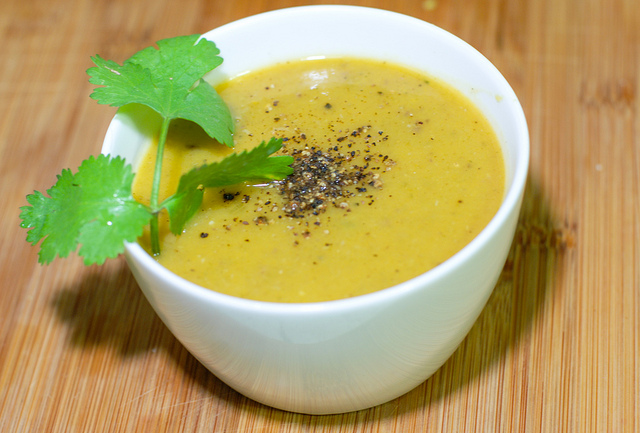
Cold? Cough? Stomach a bit upset? Make a ginger garlic soup that you can sip as a soup, or have with rice to detoxify your system and heal yourself with these Ayurvedic ‘heating’ herbs. Are you interested in eating the right foods for your dosha every day? Click here to learn about our one-of-a-kind meal plans.
The gingerol in ginger and the allicin in garlic are two of the best medicines that your produce section of the grocery store can provide. They are digestive and heating and have a whole lot of antibiotic and anti-pyretic properties that can drive off colds, coughs and even your normal everyday stomach ailments.
Eastern View: Garlic is an anti aging spice.It also has rasayana properties – It means, if you take it for long periods of time, it has anti aging effects on your health.
Garlic is hot, and cleansing, it’s a cardiac tonic, helps with digestion is good for eyes, improves hair strength and quality, and is a remedy in coughs, colds and flu.
Garlic having the tastes of sweet, salty, pungent, bitter and astringent has all the tastes except sour making it great for any ind of finicky digestion.
Because of its pungent and piercing qualities, garlic helps in the treatment of fractures, and strengthens bones. Garlic is known to assist in the regeneration of bone mass, thus its use in arthritis – a typical Vata disorder. Garlic acts as a cardiac tonic, it stimulates the heart, improves blood circulation, and reduces cholesterol deposition inside the blood vessels.
Ginger is moist and dry at the same time and is known as a universal medicine benefiting everybody and all diseases. Especially good for Vata disorders, this is one of Ayurveda’s best go-to spices. When using ginger, think digestion, lungs and circulation.
Ginger with its pungent and sweet taste warms the digestive system, increases digestive fire (agni) and helps in the secretion of digestive enzymes. Also useful in nausea, especially travel-sickness, gas bloating and stomach gripping – it has a specific action against E. Coli and Shigella bacteria.
Ginger is great when used in menstrual cramps as it regulates Vata in the lower abdomen. Despite its warm energy, it also is an anti-inflammatory. It has the properties of being able to warm and cool and is really beneficial at nourishing the reproductive system.
Ginger has a unique effect (prabhava). It’s post-digestive quality is sweet which means its long term effect is anti-inflammatory and nourishing while its initial effect is warm and stimulating for the digestion. That’s good news for anyone that has digestive and inflammatory problems.
Western View We now know that most of the health effects from garlic are caused by one of the sulfur compounds formed when a garlic clove is chopped, crushed or chewed. This compound is known as allicin, and is also responsible for the distinct garlic smell. Allicin enters the body from the digestive tract and travels all over the body, where it exerts its biological effects which is to boost the function of the immune system.
One large 12-week study found that a daily garlic supplement reduced the number of colds by 63% compared with placebo. The average length of cold symptoms was also reduced by 70%, from 5 days in placebo to just 1.5 days in the garlic group.
Human studies have found garlic supplementation to have a significant impact on reducing blood pressure in people with high blood pressure. In one study, aged garlic extract at doses of 600-1,500 mg was just as effective drugs at reducing blood pressure over a 24 week period.
Garlic has been shown to lower Total and LDL cholesterol by about 10-15%.
Garlic contains antioxidants that support the body’s protective mechanisms against oxidative damage. It’s the oxidative damage from free radicals that contributes to the aging process. High doses of garlic supplements have been shown to increase antioxidant enzymes in humans, as well as significantly reduce oxidative stress in those with high blood pressure.
The combined effects on reducing cholesterol and blood pressure, as well as the antioxidant properties, may help prevent common brain diseases like Alzheimer’s disease and dementia. Effects on longevity are difficult to assess, but given the beneficial effects on important risk factors like blood pressure, it makes sense that garlic could help you live longer.
Ginger contains Gingerol, a substance with powerful medicinal properties. It has been used to help digestion, reduce nausea and help fight the flu and common cold, to name a few.
Ginger appears to be highly effective against nausea. relieving nausea and vomiting after surgery, and in cancer patients undergoing chemotherapy .But it may be the most effective when it comes to pregnancy-related nausea, such as morning sickness.
Ginger has been shown to be effective against exercise-induced muscle pain. In one study, consuming 2 grams of ginger per day, for 11 days, significantly reduced muscle pain in people performing elbow exercises. Ginger does not have an immediate impact, but may be effective at reducing the day-to-day progression of muscle pain. These effects are believed to be mediated by the anti-inflammatory properties.
Osteoarthritis is a common health problem that involves degeneration of the joints in the body, leading to symptoms like joint pain and stiffness. Interestingly in a controlled trial of 247 people with osteoarthritis of the knee, those who took ginger extract had less pain and required less pain medication. Another study found that a combination of ginger, cinnamon and sesame oil, can reduce pain and stiffness in osteoarthritis patients when applied topically.
Just to note this remedy is often given as an ayurvedic remedy for Vata type arthritis.
Ginger has been shown to lower blood sugar levels and improve various heart disease risk factors in patients with type 2 diabetes.
WARMING GINGER GARLIC SOUP
Ingredients:
Instructions:
There’s no one size fits all for what you should eat. If you would like to talk with me about what is the right diet for you, sign up for a complimentary consultation. Just click on the link to my online calendar to find a good time that works for you.
In health,